
Why Some Secrets Should Stay Hidden
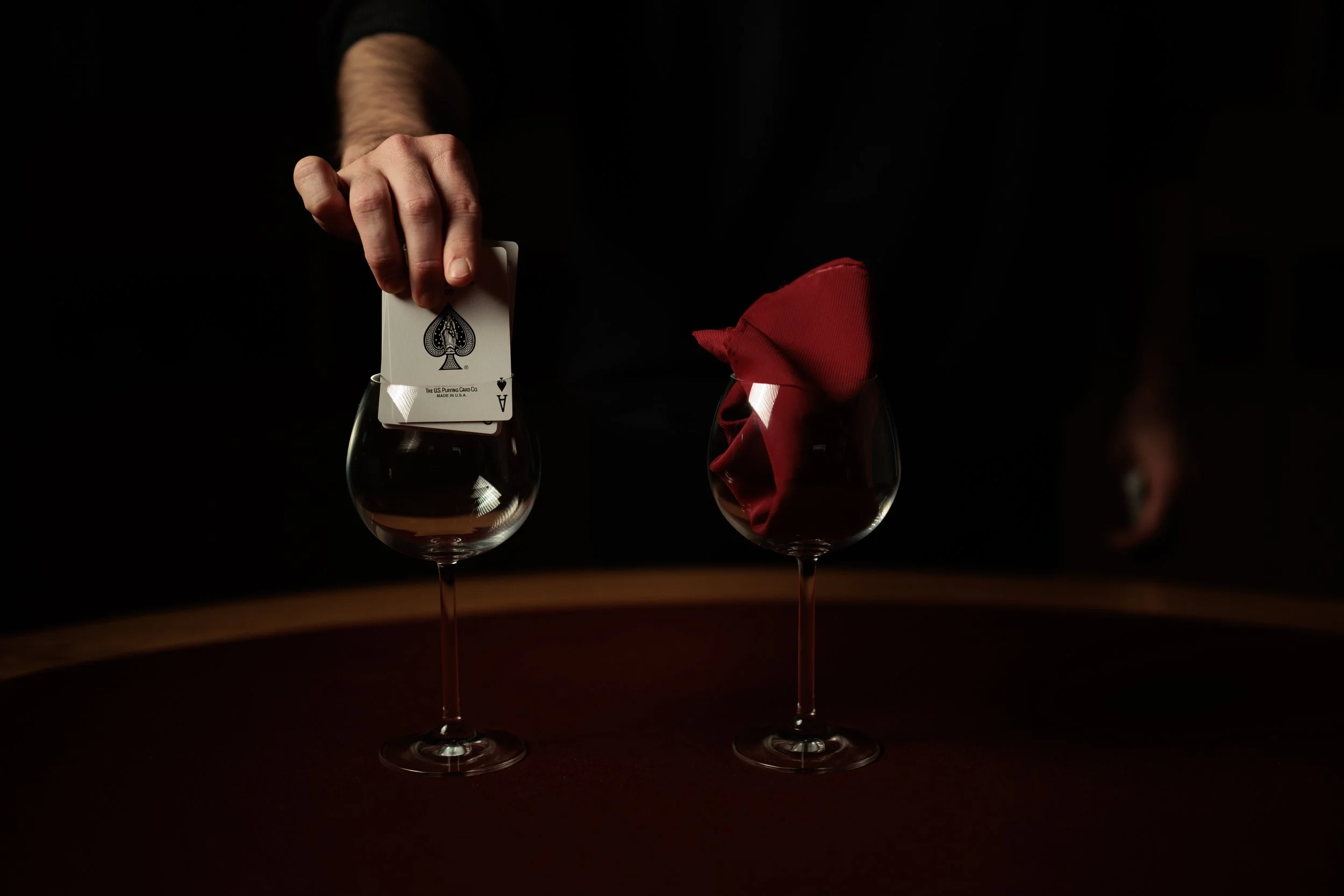
We live in an era that treats revelation like virtue. Expose everything. Explain everything. Transparency as a moral posture. And I understand why: hidden things are often where abuse lives. But there’s another kind of secrecy that doesn’t deserve suspicion. The kind that protects something delicate.
Magic lives in that category. When I keep methods hidden, it isn’t because I want power over you. It’s because I want to protect the one resource that’s become genuinely rare: wonder. The kind you feel in your chest before your mind can flatten it into trivia. Any spoiler of this isn’t just information; it’s an interruption of the purest form of experience.
Think about it. Your mind is often rushing ahead, trying to own the ending before the story has earned it. And once the ending is there, attention becomes surveillance. You stop participating. You become unavailable for joy. This is my ethical argument for some secrets: they preserve something bigger and beautiful. You chose to come for an experience, not a lecture. You chose to feel something rather than “knowing.”
There’s also a social dimension. A studio show is a shared event. When someone casually reveals methods, they aren’t only changing their own memory; they’re taking something from future guests without asking permission. They’re turning someone else’s first time into something different. It’s theft disguised as generosity.
So yes, I believe some secrets should stay hidden because they protect other people’s purest experience. And I’ll add one more reason, quieter but important: secrecy can be a form of care for the performer too. A craft needs safe rooms to grow. If every rehearsal becomes public content, the work becomes self-conscious. The art shrinks to what’s easily shareable. The studio exists partly to defend the opposite: depth, refinement, and patience.
In Porto, I found the time to put this philosophy in motion. Like a city that doesn’t reveal itself in a day, you are asked to return. To wander. To earn intimacy through attention. Some doors stay closed not to exclude you, but to preserve what’s inside. That’s what I’m offering: a door that opens when it’s the right time, and a secret you can enjoy without owning.
If you want the kind of secret that gives back, reserve a seat at the Time for Magic studio performance in Porto.