
On Silence Before a Performance
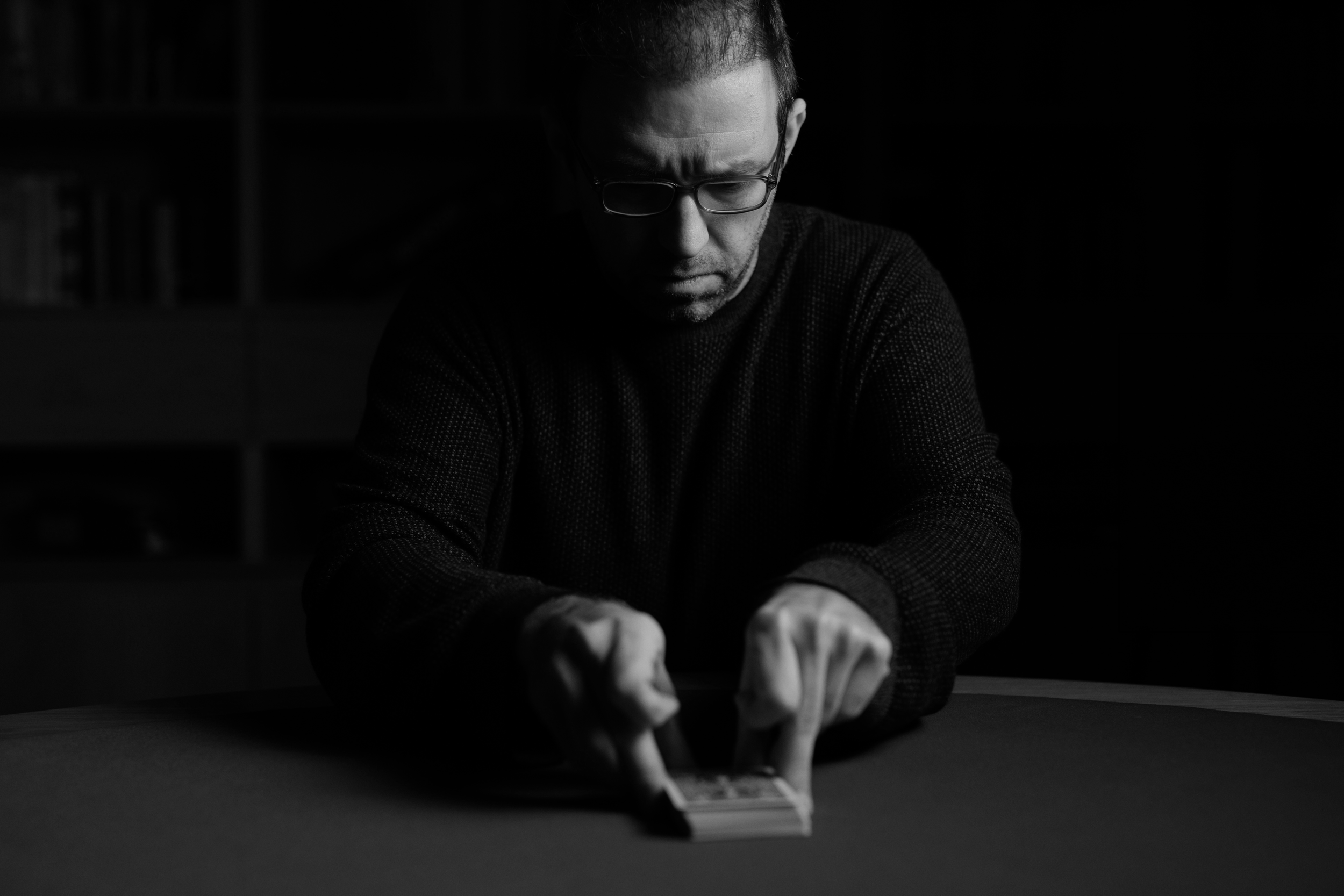
There’s a kind of silence that only exists before something happens. Not the silence of awkwardness. Not the silence of boredom. The held-breath silence, the “everyone is here, and we’re waiting” quiet. It’s the silence that feels like a curtain. I’ve learned to love it because that silence is not empty. It’s work. It’s the room tuning itself.
In psychology, attention behaves like a beam, but it also behaves like a muscle: it tightens or softens depending on what it expects. Silence is one of the cleanest tools for shaping expectation. It tells the brain, gently: stop scanning. It invites a different mode. One that is less defensive, more receptive. Ideal for an audience that wants to experience the impossible.
That’s why, in the studio, I’m careful with the first minute, first impressions, first words. I want you to arrive with your day still clinging to you, reading messages, making plans, surrounded by noise. Because then I want you to feel something shift. Not through hype. Through calm. There’s a performance truth I’ve come to believe with my whole body: wonder doesn’t land well in a rushed nervous system. If your mind is sprinting, surprise becomes stress. But if your mind is quiet enough to listen, surprise becomes delight.
I’ll confess something: I used to fear the silence before a performance. It felt like judgment, like the room was measuring me. Now I see it differently. The silence is a gift the audience gives the artist: time to step into the work. And it’s also a gift the artist gives the audience: permission to stop performing themselves. That permission is rare. Most places ask you to be “on.” The studio asks you to be present.
And yes, there will be secrets. But the first secret is simply: start with silence, the rest will happen naturally.
If you want to feel this silence turn into wonder, reserve a seat at the Time for Magic studio performance in Porto.